
Insolvency is the catchall term for the processes we carry out at Mercury Corporate Recovery Solutions. However, it can often be confused with other terms such as liquidation and bankruptcy, which both fall under the insolvency umbrella.
It’s important for business owners to develop a wider understanding of each of these terms, in order to avoid common pitfalls and malpractices when running a business.
Below we explain insolvency, liquidation and bankruptcy, and the key differences between them.
What is insolvency?
Whether it’s personal or corporate, insolvency describes a state of financial distress for an individual or business that arises when they cannot pay their creditors.
Specifically regarding corporate insolvency, a business becomes insolvent in one of two ways, or both at the same time:
- Cash flow insolvency: your business does not have enough cash to pay debts and you have illiquid assets (assets which are hard to sell, and therefore cannot help you remedy the problem).
- Balance sheet insolvency: your company’s liabilities and debts are greater than its assets (liquid and illiquid).
It’s a nuanced, and sometimes complicated, issue. There are many reasons that a business could find itself seeking the assistance of an insolvency practitioner. For example, unexpected cash flow issues, loss of contracts, legal expenses, and loss of customers themselves as we enter a tough financial year.
The only way to avoid insolvency is through strict bookkeeping and budgeting, employing the help of experts to ensure you’re always on track, and taking out the appropriate insurance to protect against the unexpected. If you do come up against any financial difficulties, seeking early advice from an insolvency practitioner is also key.
What is liquidation?
Liquidation is a process which ultimately renders a business permanently closed, with no ability to trade or employ staff. It is primarily there to repay creditors by liquidating the company’s assets (if there are any).
There are three types of liquidation, not all of which require the company to be insolvent:
- Members voluntary liquidation (MVL): The company is still solvent but has come to the end of its useful life. This may happen if the owner wishes to retire or simply doesn’t want to run the company anymore. There is often enough value in the remaining assets to pay company debts and creditors, with any remaining funds or assets distributed to the company’s shareholders.
- Creditors voluntary liquidation (CVL): The company is insolvent and does not have the funds to pay liabilities or continue trading. So, directors and shareholders take the decision to place the company into liquidation and hand control over to a licensed insolvency practitioner, who consequently winds up the company’s affairs.
- Compulsory liquidation: Usually petitioned by a creditor whom the company is unable to pay, compulsory liquidation is a court-ordered liquidation where the company’s assets (if any) are liquidated to realise the amount owed to debtors. The company and directors themselves can also petition the courts, but it is a less common scenario.
So whereas insolvency can lead to liquidation, a company does not have to be insolvent to be liquidated.
What is bankruptcy?
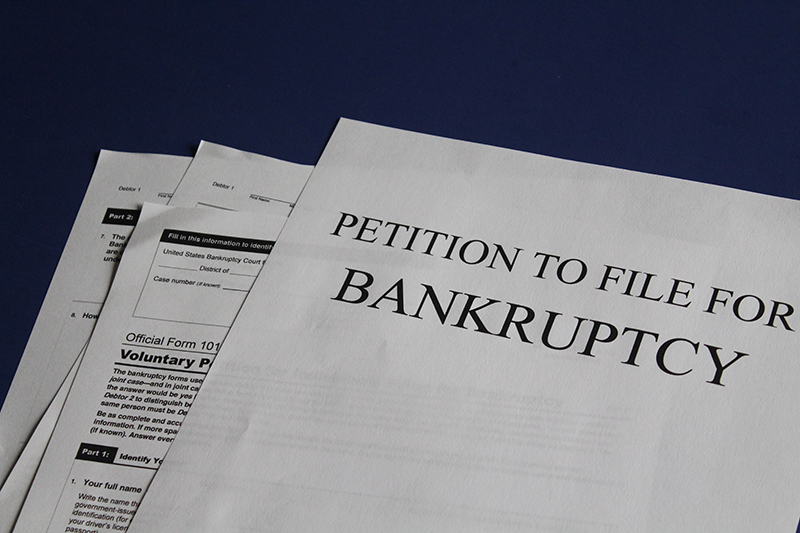
Bankruptcy is a legal process. It is a form of personal insolvency where an individual is unable to repay their debts. You can file bankruptcy for yourself or a creditor can file for your bankruptcy if you owe them over £5,000.
When a bankruptcy petition has been filed, your application is assessed by an adjudicator who works for the Insolvency Service. They will assess the application and determine the circumstances that lead to this point. Once the application is approved, you may be required to attend an interview with the Official Receiver. Your assets (if any) will be taken into the control of the receiver and sold to pay creditors. In most circumstances, after 12 months, you are discharged from bankruptcy with all remaining debts written off.
Once subject to bankruptcy, creditors can no longer come after you for debts owed. This can provide long-term relief but it is by no means the ‘easy way out’. Your name is recorded in the Individual Insolvency Register and your bankruptcy will be on your credit record for 6 years. This can affect your credit score, mortgage applications and ability to be a company director in the future.
Insolvency vs liquidation vs bankruptcy
To summarise: the meaning of insolvency, liquidation and bankruptcy are very different yet often confused by the general population.
Insolvency can refer to both individuals or companies who are unable to pay their debts. It is a term to describe a state of being rather than a process.
Insolvency solutions are the processes which often follow to deal with the company or individual being insolvent. Liquidation and bankruptcy are just two types of insolvency solutions, referring to a business in the case of liquidation and an individual in case of bankruptcy.
Need help from a licensed insolvency practitioner? Get in touch with our friendly team at Mercury Corporate Recovery Solutions.